
 See Our Latest Article on HelloNation
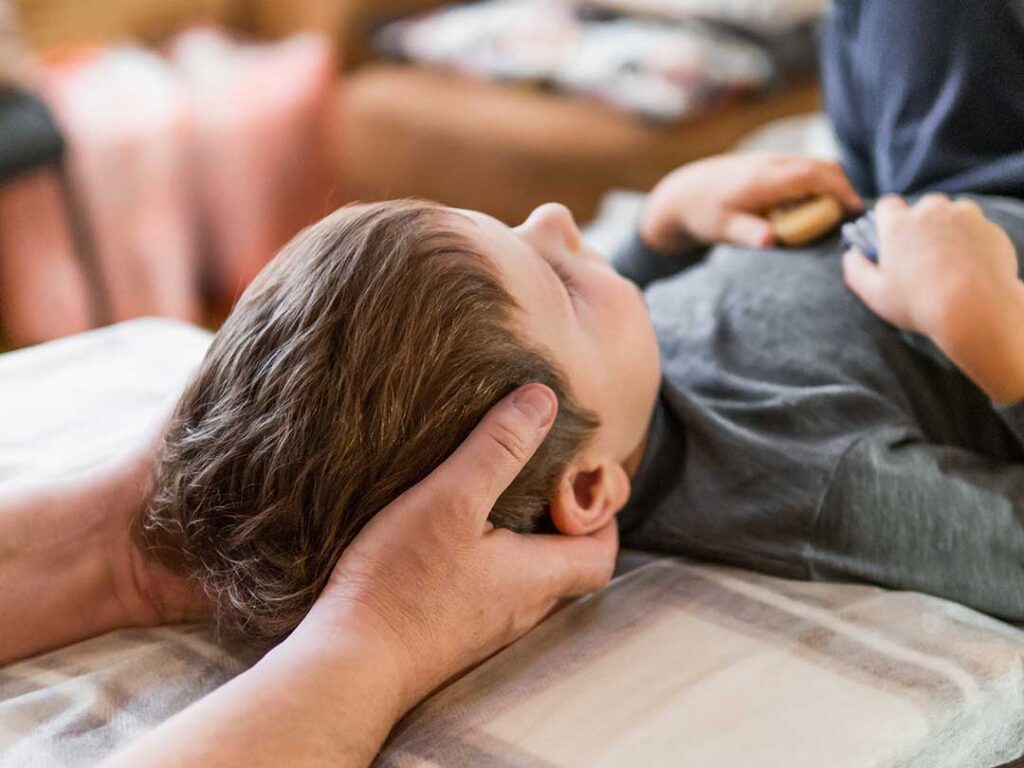
Are Chiropractic Adjustments Safe for Children?
Chiropractic care for children is often considered safe when provided by qualified professionals trained in pediatric techniques. Most evidence, including research reviews and statements from pediatric health organizations, points to a low risk of serious side effects when age-appropriate methods are used.
In West Haverstraw, parents often ask whether chiropractic adjustments could pose risks to their children. The most common reported side effects—such as minor discomfort, temporary soreness, or mild fatigue—are similar to those after new physical activities. These effects are typically short-lived and not considered dangerous.
What Techniques Are Used with Kids?
Chiropractors treating children use much gentler approaches compared to those for adults. Pediatric adjustments rely on light pressure and subtle mobilizations tailored for growing spines and softer joints, rather than forceful manipulations.
A practitioner will often:
- Use fingertip pressure or small, handheld instruments
- Avoid high-force movements commonly seen in adult care
- Focus adjustments specifically on areas showing signs of misalignment or limited mobility
These modifications reduce the chance of injury, making the process more compatible with children’s bodies. In local practice, open communication about treatment methods allows families to feel informed and comfortable during visits.
Why Do Some Families Consider Chiropractic Care for Kids?
Families in the area seek chiropractic attention for children for several reasons, including:
- Relief from musculoskeletal complaints related to sports, play, or minor falls
- Support for posture as children grow and carry heavy backpacks
- Assistance in managing tension linked to modern screen time or sedentary habits
There is also interest in chiropractic as a complementary approach alongside pediatric or primary care, especially for mild aches that do not resolve with home care. It is not viewed as a replacement for regular medical treatment but rather as an adjunct to support overall well-being.
Are There Risks or Controversies?
Though serious complications are very rare, chiropractic care for children is not without debate. Certain critics point to isolated case reports of unintended effects, especially when high-force techniques have been used inappropriately on infants or small children. These cases are exceedingly uncommon but serve as reminders for parents and providers to prioritize gentle, evidence-based care.
Families in West Haverstraw sometimes express concern about chiropractic being used for non-musculoskeletal problems such as ear infections or asthma. Major medical societies generally recommend caution with these claims, as there is limited scientific evidence supporting benefits in such cases.
How Do Local Regulations Affect Pediatric Chiropractic?
In New York State, chiropractors must complete extensive education and pass licensure exams, including study in pediatric safety. Practitioners are expected to follow state regulations regarding informed consent, recordkeeping, and scope of practice.

For local families, these policies help ensure that any chiropractic care a child receives is both safe and ethical. If a child has underlying health conditions, practitioners usually collaborate with the primary care provider to avoid missing any medical red flags.
What Should Parents Watch For?
When considering chiropractic care for a child, local households are encouraged to keep a few best practices in mind:
- Always verify the practitioner’s license and pediatric experience
- Ensure the chiropractor takes a full health history and explains all planned procedures
- Discuss any new or worsening symptoms immediately
- Request gentle, age-appropriate techniques
Chiropractic care should never be used in place of emergency medical treatment. If a child experiences sudden or severe pain, injury, fever, or loss of function, prompt medical care is essential.
Can Chiropractic Benefit Local Kids?
Many families in the West Haverstraw community report that their children experience relief from back, neck, or joint tension and increased comfort after age-appropriate chiropractic care. Young athletes or students involved in physically active lifestyles might notice fewer minor aches or improved flexibility.
However, chiropractic is not a cure-all, and most experts agree it is best understood as a supportive therapy for certain childhood complaints—not as a universal remedy for unrelated illnesses.
Common Misconceptions Addressed
Some parents worry that all chiropractic adjustments are rough or unsafe for young bodies. In reality, techniques are tailored to each child’s size, age, and needs. Others believe that seeing a chiropractor means giving up regular pediatric care, which is not the case—safe practice encourages open dialogue with all healthcare providers.
Being clear about expectations, safety, and the intended purpose of chiropractic visits helps local families make confident, informed choices for their children’s well-being.
