
 See Our Latest Article on HelloNation
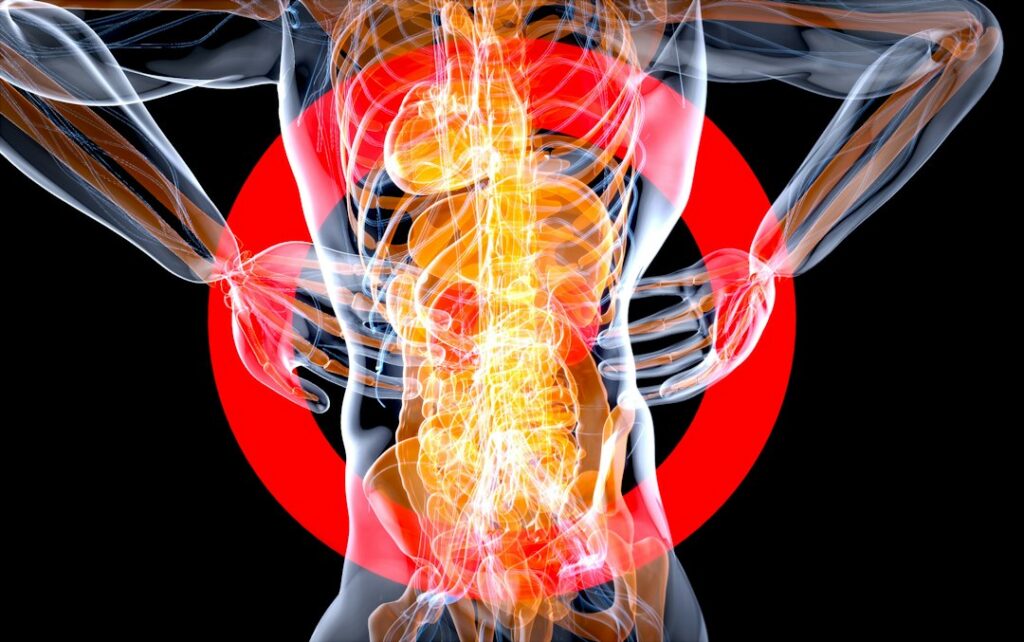
A herniated disc can cause anything from localized back or neck pain to sharp, traveling pain, numbness, or weakness in an arm or leg. Many cases improve without surgery, but the right approach depends on which nerve is affected, how severe the symptoms are, and whether there are signs of nerve damage.
What is a herniated disc?
A herniated disc occurs when the soft inner material of a spinal disc pushes through a crack or weakened area in its tougher outer layer. The protruding material may irritate nearby nerves or place pressure on them.
Spinal discs sit between the bones of the spine and help absorb movement. With age, the discs naturally lose some water and flexibility. This process can make them more vulnerable to injury, although herniation may also follow lifting, bending, twisting, repetitive strain, or a sudden accident.
A herniated disc may occur in the lower back, neck, or, less commonly, the middle portion of the spine. The location helps determine where symptoms appear.
What symptoms can a herniated disc cause?
Symptoms vary widely. Some people have a disc herniation visible on an MRI but no pain at all. Others develop significant symptoms when a nearby nerve is irritated.
Common signs include:
- Back or neck pain
- Pain that travels into the buttock, hip, leg, shoulder, or arm
- Tingling or pins-and-needles sensations
- Numbness
- Muscle weakness
- Pain that worsens with coughing, sneezing, sitting, bending, or lifting
A lower-back disc problem may cause sciatica-like symptoms, with pain traveling down one side of the leg. A neck disc problem may cause pain, tingling, or weakness extending into the shoulder, arm, or hand.
Symptoms can be influenced by everyday conditions. Long periods of driving, desk work, lifting children, shoveling snow, or moving items in a basement or garage may aggravate an already irritated area. Cold weather itself does not cause a disc to herniate, but winter activities and guarded movement can increase strain on the back.
How is a herniated disc diagnosed?
Diagnosis usually begins with a medical history and physical examination. The examination may include checking muscle strength, reflexes, walking, sensation, and the movements that increase or decrease symptoms.
An MRI can show discs, nerves, and other soft tissues in detail. However, imaging is not always needed immediately. Many people improve with conservative care, and disc changes seen on imaging do not always explain the pain.
X-rays can show bones and alignment but do not directly show a herniated disc. In some cases, additional testing, such as nerve studies, may help determine whether a nerve is being affected.
The most useful diagnosis connects the imaging findings with the person’s symptoms and physical examination. Treating an MRI report without considering the whole clinical picture can lead to unnecessary concern or inappropriate treatment.
Can chiropractic care help a herniated disc?
Chiropractic care may help some people manage pain and improve movement, particularly when treatment is adapted to the person’s symptoms and neurological findings. It is not a method for physically “pushing” a disc back into place, and it should not be presented as a guaranteed cure.
A careful chiropractic evaluation may include:
- Reviewing the onset and pattern of symptoms
- Checking movement, strength, sensation, and reflexes
- Identifying positions or activities that worsen pain
- Considering whether referral for medical evaluation or imaging is appropriate
- Choosing gentle, progressive care rather than automatically using forceful manipulation
Possible components of care may include low-force manual techniques, spinal mobilization, soft-tissue work, movement education, and exercises that support gradual return to normal activity. The goal is generally to reduce irritation, improve function, and help the person move safely while the body recovers.
Spinal manipulation is not appropriate for every disc problem. Sudden or progressive weakness, significant numbness, severe nerve compression, fracture risk, infection, cancer, or other serious conditions require medical assessment before certain forms of manual treatment are considered.
What does recovery usually involve?
Most people with a herniated disc begin with nonsurgical care. Recovery may include relative rest, appropriate medication, physical therapy, activity modification, and a gradual return to movement.
Extended bed rest is usually discouraged because it can increase stiffness and weaken muscles. Short periods of rest may be useful during a painful flare, but gentle walking and comfortable daily movement are often better than remaining in bed for days.
Helpful strategies may include:

- Avoiding repeated bending, twisting, or heavy lifting during the acute phase
- Changing positions regularly instead of sitting for long periods
- Using cold during the first few days if it reduces discomfort, followed by gentle heat if helpful
- Resuming activity gradually rather than testing the painful area repeatedly
- Practicing lifting with the load close to the body and avoiding sudden twisting
- Following an exercise plan that matches current abilities
Over-the-counter pain medicines are not safe for everyone. People with kidney disease, ulcers, certain heart conditions, blood-thinning medication, pregnancy, or other health concerns should ask a qualified medical professional before using them.
When should someone seek urgent medical care?
Certain symptoms may indicate serious nerve compression or another condition that should not be managed with routine chiropractic care alone.
Seek urgent medical evaluation for:
- New loss of bladder or bowel control
- Numbness around the inner thighs, groin, or saddle area
- Rapidly worsening weakness in an arm or leg
- Difficulty standing or walking
- Severe symptoms after a major fall, crash, or other trauma
- Back pain accompanied by fever, unexplained weight loss, or a history of cancer
- Severe pain with a weakened immune system or serious underlying illness
These warning signs are uncommon, but delaying evaluation can increase the risk of lasting nerve problems.
Does a herniated disc always require surgery?
No. Surgery is usually considered only when symptoms remain severe despite appropriate nonsurgical care, when there is significant or worsening weakness, or when testing shows serious nerve compression. Emergency surgery may be needed for conditions involving bladder or bowel changes or severe compression of the lower spinal nerves.
For many people, pain and nerve irritation gradually improve over several weeks. A treatment plan should be reassessed if symptoms are not improving, if they interfere substantially with sleep or walking, or if new numbness or weakness develops.
For residents managing back or neck pain in West Haverstraw, seasonal household tasks, snow-related lifting, home repairs, and long periods of sitting can all expose the spine to repeated stress. Pacing these activities, using safe body mechanics, and responding early to neurological symptoms can help prevent a manageable problem from becoming more serious.
