
 See Our Latest Article on HelloNation
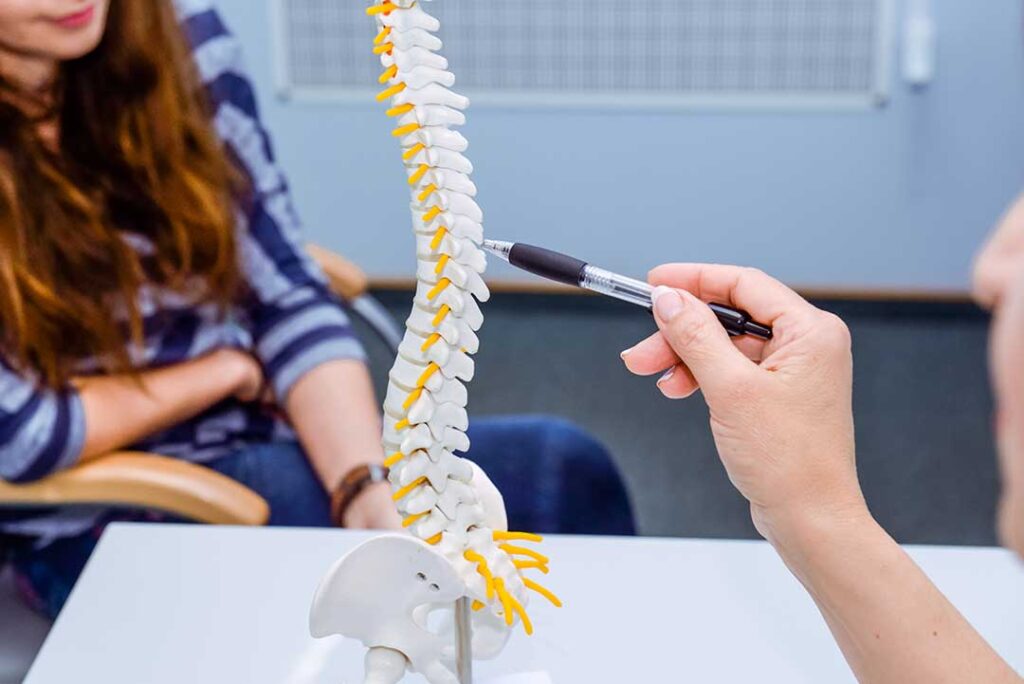
What does healthy aging mean for the spine and joints?
Healthy aging is not simply the absence of illness. It also means preserving the ability to walk, bend, reach, turn, get up from a chair, and take part in daily activities with as much comfort and confidence as possible.
Chiropractic care may support this goal by focusing on musculoskeletal function—the way the spine, joints, muscles, and nervous system work together. It is generally used as one part of a broader health plan that may also include regular medical care, physical activity, sleep, nutrition, and fall prevention.
The goal should not be to “reverse aging” or make a person feel permanently pain-free. A more realistic aim is to reduce avoidable limitations, encourage safe movement, and help people remain active within their abilities.
How can chiropractic care support mobility?
Chiropractic evaluation often looks at joint motion, muscle tension, posture, movement patterns, and activities that may aggravate discomfort. Depending on the individual, care may include gentle manual techniques, mobility exercises, stretching, strengthening guidance, or advice about modifying repetitive activities.
Improved comfort can make ordinary movement easier. For example, a person with stiffness may find it more manageable to:
- Walk for exercise
- Turn safely while using stairs
- Get in and out of a vehicle
- Complete household tasks
- Maintain a regular stretching or strengthening routine
- Continue recreational activities at a tolerable level
This does not mean spinal manipulation is appropriate for every older adult or every condition. Evidence summarized by the National Center for Complementary and Integrative Health indicates that spinal manipulation is one of several options that may provide mild-to-moderate relief for some people with low-back pain. Exercise, physical therapy, massage, medication, and other approaches may also have a role depending on the cause of symptoms. ([files.nccih.nih.gov](https://files.nccih.nih.gov/s3fs-public/Spinal_Manipulation_for_LBP_12-01-2015.pdf?utm_source=openai))
Can chiropractic care help prevent falls?
Chiropractic care alone should not be considered a complete fall-prevention program. Falls are influenced by many factors, including leg strength, balance, vision, medication side effects, footwear, home hazards, blood pressure changes, and neurological or medical conditions.
However, addressing stiffness or movement limitations may help some people participate more comfortably in activities that build strength and balance. Physical activity is central to healthy aging because it can help preserve muscle function, support independence, and reduce the likelihood of falls and fall-related injuries. ([nia.nih.gov](https://www.nia.nih.gov/health/exercise-and-physical-activity/health-benefits-exercise-and-physical-activity?utm_source=openai))
A practical healthy-aging routine usually includes a combination of:
- Walking or another moderate aerobic activity
- Strength exercises for the legs, hips, back, abdomen, shoulders, and arms
- Balance activities such as supported single-leg practice or tai chi
- Gentle mobility work for joints that feel stiff
- Rest and recovery between more demanding sessions
Older adults are commonly advised to work toward regular aerobic activity, muscle strengthening at least two days per week, and balance exercises. The appropriate amount depends on current fitness, medical conditions, symptoms, and fall history. ([nia.nih.gov](https://www.nia.nih.gov/health/exercise-and-physical-activity/four-types-exercise-and-physical-activity?utm_source=openai))
What changes with age that may affect chiropractic care?
Older adults may have osteoporosis, arthritis, spinal stenosis, previous fractures, joint replacements, or other conditions that require a more careful approach. Some people also take blood thinners or medications that affect blood pressure, alertness, or balance.
These details matter before any hands-on treatment. A thorough health history should include:
- Previous fractures, surgeries, or joint replacements
- Osteoporosis or a history of low bone density
- Cancer, infection, or unexplained weight loss
- Numbness, weakness, or changes in coordination
- Blood-thinning medication
- Recent falls or injuries
- New changes in bowel or bladder control
- Dizziness, fainting, or severe balance problems

Gentle care, exercise instruction, and activity modification may be more suitable than forceful techniques for some individuals. The safest approach is individualized rather than based only on age.
When should back or neck pain be medically evaluated?
Some symptoms may indicate a condition that needs prompt medical assessment rather than routine musculoskeletal care. Seek timely medical attention for severe or rapidly worsening pain, pain after a significant fall, new limb weakness, progressive numbness, fever, unexplained weight loss, or loss of bladder or bowel control.
New dizziness, trouble speaking, sudden vision changes, severe headache, facial drooping, or one-sided weakness should be treated as an emergency.
Persistent pain that interferes with sleep, walking, eating, or basic activities also deserves evaluation. A person should not assume that a symptom is a normal part of aging simply because it began later in life.
How can local seasonal conditions affect healthy aging?
In West Haverstraw, NY, seasonal changes can influence how people move. Cold temperatures may lead to more time indoors and increased stiffness after sitting. Snow, ice, wet leaves, and uneven walking surfaces can increase the challenge of outdoor mobility and fall prevention.
Useful habits include keeping frequently used walkways well lit, wearing supportive footwear with adequate traction, avoiding rushed movements on slippery surfaces, and breaking up long periods of sitting indoors. During warmer months, gradual increases in walking, gardening, or outdoor activity can help prevent the sudden strain that occurs when inactive muscles are asked to do too much at once.
Home safety is also significant. The CDC recommends reducing trip hazards, improving lighting, adding appropriate grab bars and stair railings, checking vision, reviewing medications that may cause dizziness or sleepiness, and including strength and balance exercises in fall-prevention efforts. ([cdc.gov](https://www.cdc.gov/falls/prevention/index.html?utm_source=openai))
Is chiropractic care a replacement for regular medical care?
No. Chiropractic care should complement—not replace—primary care, medication management, bone-health screening, eye examinations, rehabilitation, or treatment for chronic conditions.
Healthy aging depends on several connected systems. Regular medical care can identify osteoporosis, heart disease, neurological disorders, medication effects, and other problems that may influence mobility. Exercise supports strength and balance. Nutrition and sleep affect recovery. Chiropractic care may be useful for selected musculoskeletal concerns within that larger plan.
The most helpful question is not whether one type of care can solve every aging-related problem. It is whether a person’s overall plan supports safe movement, preserves independence, and responds appropriately when symptoms change.
What is a realistic expectation?
A realistic expectation is improved function or reduced discomfort for some musculoskeletal problems, not a guarantee of permanent relief or protection from every age-related condition. Progress may be measured by practical abilities: walking farther, standing longer, turning more comfortably, sleeping better, or completing household tasks with less difficulty.
Healthy aging is supported by consistent, appropriately challenging movement and by responding early to changes in strength, balance, pain, or coordination. For older adults and their families, the most useful plan is coordinated, safety-conscious, and adapted to the person’s health history and everyday environment.
